Essential Guide to Choosing and Using a 50 Amp Portable Generator
- safaa fahmy
- Sep 24, 2025
- 4 min read

When you need power during emergencies, outdoor events, or construction projects, a 50 amp portable generator is an excellent option. This guide provides essential insights into the features, benefits, and best practices for choosing and using a 50 amp portable generator effectively.
Understanding 50 Amp Portable Generators
A 50 amp portable generator is built to deliver a significant amount of electricity, making it suitable for diverse uses. Capable of providing up to 12,000 watts, these generators can run multiple appliances at once, including:
Central air conditioning units (typically requiring 3,000 to 4,000 watts to start)
Refrigerators (usually around 600 watts)
Power tools (which can draw anywhere from 1,000 to 2,500 watts)
This versatility makes a 50 amp generator an ideal choice for RV enthusiasts, homeowners seeking backup power, or contractors needing reliable energy at job sites.
Key Features to Look For
When choosing a 50 amp portable generator, consider these critical features:
Power Output
Firstly, verify the generator's wattage. It's essential that it can handle the total wattage of the devices you want to power. Look for generators that specify both starting wattage (the power needed to start appliances) and running wattage (the power needed to keep them running). For instance, a generator with a 12,000-watt starting capacity can easily handle a variety of home appliances.
Fuel Type
Portable generators often utilize gasoline, propane, or diesel as fuel. Each type comes with unique pros and cons:
Gasoline generators are widely available and user-friendly but tend to have shorter shelf lives in storage.
Propane models typically have a longer shelf life and cleaner emissions, making them more environmentally friendly.
Diesel generators excel in fuel efficiency and durability, often having longer runtimes compared to gasoline or propane.
Portability
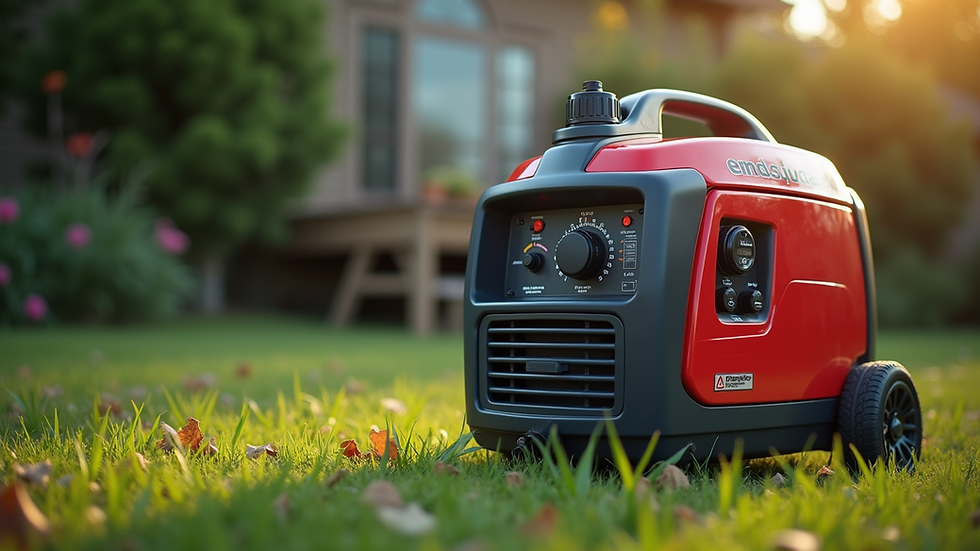
Given their portable nature, look for generators equipped with wheels and sturdy handles. For example, a generator weighing around 200 pounds might be easier to maneuver if it features a well-designed wheel system.
Noise Level
Noise can be troublesome, particularly in residential areas or when camping. Consider models with advanced noise-reduction technology or those that have lower decibel ratings, often around 60-70 dB, which is roughly equivalent to normal conversational speech.
Runtime
Evaluate how long the generator can operate on a single tank of fuel. For example, if a generator can run for 10-12 hours at 50% load, you will spend less time refueling during emergencies or events.
Benefits of Using a 50 Amp Portable Generator
Versatility
A significant advantage of 50 amp portable generators is their versatility. You can use them for a range of situations—from providing power during a home blackout to supplying energy for tools and equipment on job sites.
Reliability
During emergencies, a reliable power source is crucial. A 50 amp generator ensures you can keep essential appliances running, providing both convenience and safety.
Cost-Effective
Investing in a portable generator can save you money over time. Instead of relying on costly temporary power solutions, owning a generator allows you to have energy available whenever necessary.
Easy to Use
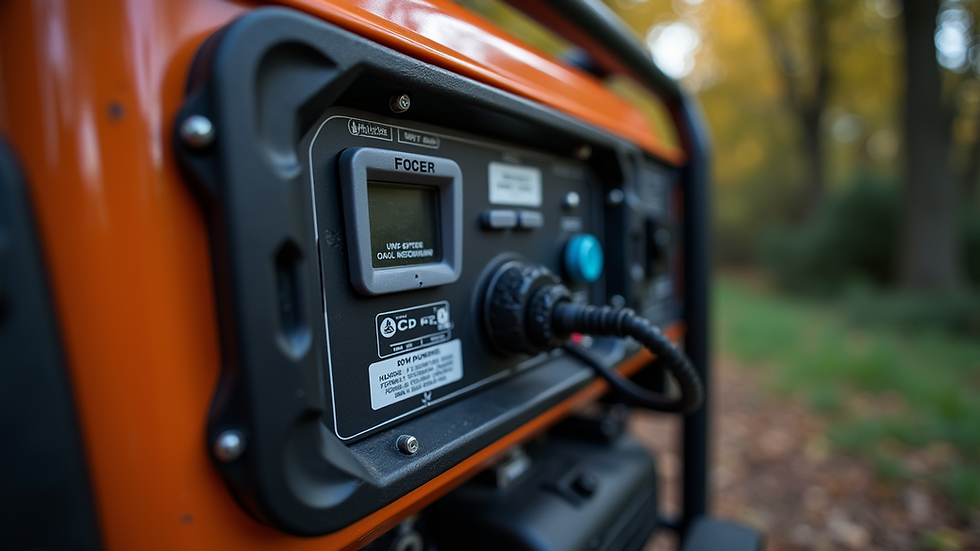
Most 50 amp portable generators are designed with user-friendliness in mind. Key features include clear control panels and straightforward setup processes. This means even those without technical expertise can operate them with ease.
Safety Considerations
While these generators offer many advantages, safety must always come first. Here are some vital safety tips to keep in mind:
Proper Ventilation
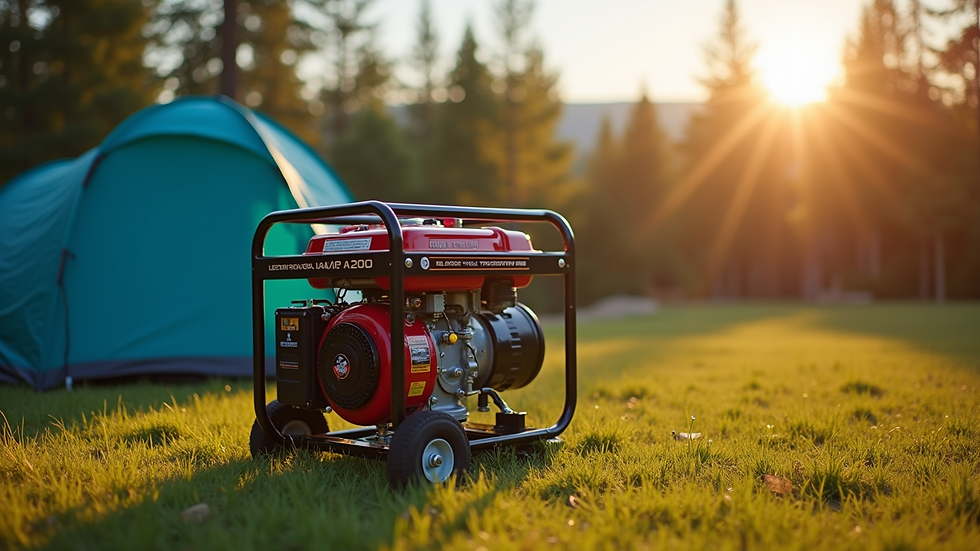
Because generators produce carbon monoxide, it is crucial to always operate your generator outdoors in a well-ventilated space. Position it at least 20 feet away from your home and out of any enclosed areas.
Use Ground Fault Circuit Interrupters (GFCIs)
Using GFCI outlets helps prevent electrical shocks. This becomes especially critical during times of rain or wet conditions, where the risk of electrical hazards increases.
Regular Maintenance
Keep your generator running safely and efficiently by performing regular upkeep. This includes checking oil levels, ensuring the fuel is fresh, and inspecting air filters for any debris.
Follow Manufacturer Instructions
Adhering to the manufacturer's guidelines is key to safe operation and maintenance. By doing so, you help ensure the longevity of your generator and minimize the risk of accidents.
How to Use a 50 Amp Portable Generator
Using a 50 amp portable generator is a straightforward process. Follow these steps for safe operation:
Choose a Location: Place the generator on a stable, flat surface outdoors, positioned away from any buildings or structures.
Check Fuel Levels: Make sure the generator has sufficient fuel for the duration of your intended use.
Connect Appliances: Use heavy-duty outdoor-rated extension cords to hook up your appliances to the generator.
Start the Generator: Follow the specific starting instructions provided in the manual. Many models feature an easy pull-start mechanism.
Monitor Usage: Frequently check the load on the generator to ensure you do not exceed its capacity, which can be found in the product specifications.
Shut Down Safely: Once finished, turn off all connected appliances before shutting down the generator to prevent any electrical surges.
Final Thoughts
A 50 amp portable generator is a valuable tool for anyone in need of dependable power when it's most needed. Whether used for backup power at home, on outdoor adventures, or in construction settings, understanding its features and safety considerations is vital for making the right choice.
By selecting the right generator and using it responsibly, you can ensure a steady and safe power supply whenever you need it. For more insights on maintaining your generator and safety practices, explore additional resources on general maintenance and safety tips.



Comments